Showing posts with label classroom update. Show all posts

Sunday, September 22, 2019

Classroom Update: September 21, 2019

For the past two weeks, we have continued to roll out our first learning units of the year.

In reading, we are working on building our "reading stamina," the amount of time we can stay engaged in a text. We started tracking our stamina as a whole class, and students were asked to track their own stamina at home this week.


A key component of building our reading stamina is selecting a "just right" book. We discussed how, in order to grow as readers, we need to find books that aren't too easy or too hard. A strategy that we practiced to find a "just right" book is called the Five Finger Rule:
This strategy is a quick and easy way to determine if any book is at a comprehensible level.

Finally, in reading this week, we also practiced writing summaries. We used the chant Someone-Wanted-But-So-Then (shown below) to help us capture and organize all of the story elements featured in a given text.


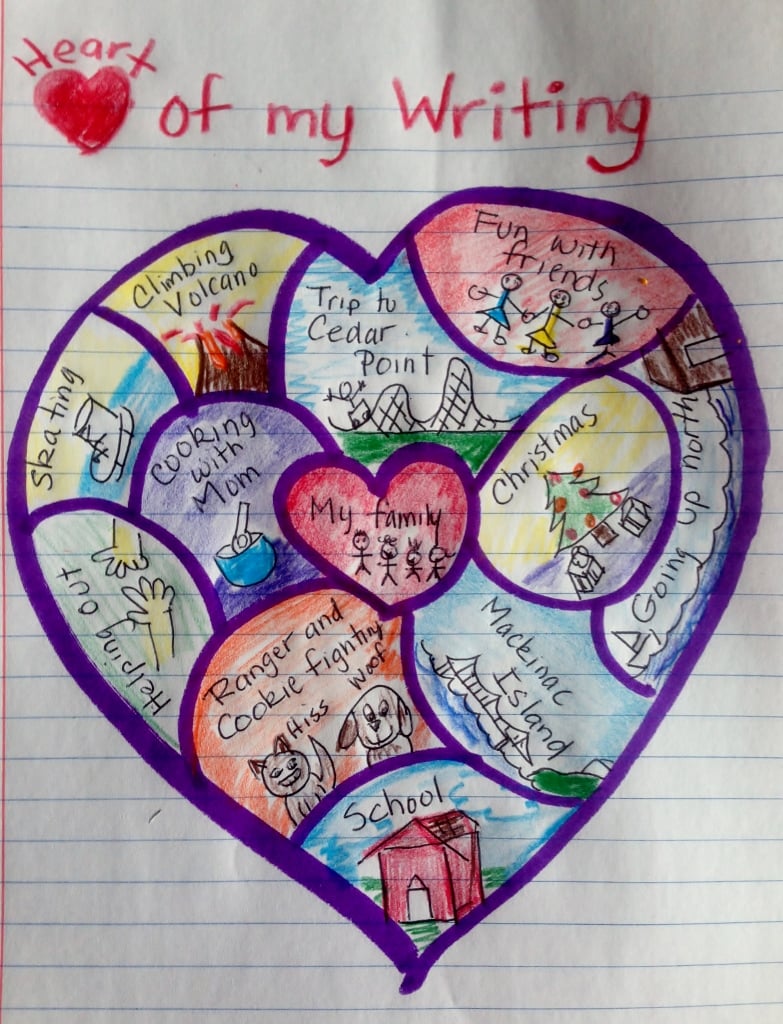
In writing, we created "Heart Maps" to use as inspiration for the pieces that we will work on this year. Students reflected upon the people, places, events, and interests that are special to them:
Image result for the heart of my writing
We used these heart maps as a launching point for our first writing unit of the year, where students will be crafting personal narratives.

In social studies, students extended the mapping practice that we have been doing to create maps of New England. We are narrowing this focus to Massachusetts, and later to our local community of Arlington.

In math, we are practicing strategies to memorize our multiplication facts. We are beginning with the easiest fact families to commit to memory, the 1, 2, 5, and 10 tables. We have also been practicing writing and solving multiplication word problems. Lastly, we have practiced creating rectangular arrays to represent multiplication expressions. Arrays are visual displays composed of rows of equal columns. To the right is an example of a 3x4 array.


Friday, March 10, 2017

Classroom Update: March 10, 2017

We are wrapping up our integrated social studies and reading unit on the Pilgrims. Students learned about the relationship between the Pilgrims and the Wampanoag tribe. Students read biographies of Squanto, a Native American man who helped the Pilgrims in their early years of settlement. Later in the week, students wrote essays in which they compared life today to life in seventeenth century Massachusetts.

In math, we began a new unit on fractions. We have been working on partitioning shapes into equal parts. We have done this by folding and cutting paper. We have started to notice patterns in the ways that we can build fractional pieces. For example, we noticed that we can make fourths by dividing halves into two equal pieces. Similarly, we can make eighths by segmenting fourths in half. These patterns are helping us to begin to think about fraction equivalency.

In science, we conducted experiments related to the water cycle. We learned about the stages of precipitation, condensation, and evaporation. In addition, students learned about climate zones. We researched regions around the world and learned about their unique climates.

In writing, we began a unit on opinion writing. We began by brainstorming and outlining ideas for a topic. Students are now underway with drafting a persuasive speech using a five paragraph essay template.


Friday, December 16, 2016

Third Grade Curriculum Overview

‘Tis the season...for new and exciting learning in the Dallin third grade! This fall, third graders have been engaged in many interesting projects across the subject areas. In English Language Arts, students are underway with a unit on the realistic fiction genre. We are learning the characteristics of the genre and studying elements of fiction including plot, theme, conflict, and setting. We are crafting readers’ responses to books, incorporating textual evidence to support our ideas. We’re looking forward to upcoming literacy units on nonfiction texts and historical fiction. Roses are red, violets are blue, this spring we’ll be studying poetry, too!

Third graders have been working hard to create wonderful writing pieces this year. At the end of each of our writing units, you’re invited to come read students’ phenomenal work in a writers’ celebration. Recently, students published fantastic narrative stories. Students thought back to a moment in their lives and captured it through a personal memoir. They made the memory come to life with sensory details, dialogue, and descriptive verbs. Next up, students are creating informational books on a topic of their choosing. Topics range from a cat owner’s guide to a profile of baseball superstars. We are excited to share our expert knowledge with you through our informational writing!

In the third grade math workshop, an emphasis is placed on strategic thinking and effective communication. In the fall, students worked on developing strategies for multi-digit addition and subtraction. Ask a third grader to show you their favorite method for solving an addition problem! Currently, students are studying multiplication and division. We’re building our study habits and finding fun games to memorize our multiplication facts. By the end of the year, we hope to learn all of our multiplication facts within 100. We are excited to gain new skills through upcoming units on fractions, area, and perimeter. Overarching goals of our third grade math curriculum include building students’ problem solving skills and perseverance.

Did you know that the Earth is like a giant magnet? That’s just one of the facts that we discovered in our science unit on motion and matter. Students studied forces through investigations with magnets. They also studied patterns of motion and delved into Newton’s Laws of Motion. Third grade scientists engaged in an engineering design challenge to build the best cart or paper airplane that would travel the farthest distance. Through hands-on experimentation and data collection, third graders are gaining an authentic experience with science and engineering disciplines.

In social studies, third grade historians have traveled back in time to study the life of the Wampanoag tribe in the seventeenth century. We went on an exciting field trip to Plimoth Plantation where we witnessed what life was like for the Wampanoag in the 1600s. Students conducted a guided research project in which they gathered information about the seasonal life of the tribe. Students applied their research to create beautiful murals depicting the Wampanoag during different points of the year. Earlier in the fall, we conducted a mock election in social studies. Students nominated book characters who embodied presidential traits as candidates for class president. They launched campaigns and wrote speeches in which they passionately defended their preferred candidate. This was a great opportunity for students to practice civic engagement and learn about the structure of our democracy. We look forward to upcoming social studies units on the Pilgrims and the American Revolution.

This year, the Dallin third grade introduced a new homework system. The primary purpose of our third grade home practice is to develop students lives as readers. At home and in school this fall, Dallin third graders have been working on building their independent reading stamina. Students are doing a great job building their stamina and setting new records for number of minutes spent reading. Each month, students are also given a menu filled with optional activities for academic enrichment. You can come check out some of students great work so far in the “Home Practice Hall of Fame,” located in the third grade hallway. We can’t wait to share these projects with you, and all of the other fantastic work being done by our Dallin third graders!

Friday, November 4, 2016

Classroom Update: November 4, 2016

We continued our integrated social studies and reading unit about the election this week. Students acted as speechwriters and wrote about why their preferred candidate would make a good president. Today, we delivered the speeches to the class, using public speaking techniques like slowing down, reading with expression, and making eye contact. 


In science, we conducted several experiments to test the best materials and design conditions for paper airplanes. We discovered that lighter paper is ideal for offsetting the effects of downward forces. We also explored how lift force is affected by the size of the wings on our planes. Today, we began an engineering design challenge in which teams are constructing plane models based upon what we have observed this week. 

In math, we started our study of multiplication. Before we begin memorizing basic multiplication facts, we are learning about the concept of multiplication. Students wrote and solved their own multiplication story problems. 


Friday, October 14, 2016

Classroom Update: October 14, 2016

We accomplished many things during this short week!

In Math, we continued to gain practice with addition and subtraction strategies. This week, we applied these strategies to three-digit numbers.

In Reading, we began writing reading responses. Writing about literature is a skill that we will be developing throughout the year.


We began a new Science unit on magnetism. Today we did some exploratory activities to learn about magnetic forces. 

And in Writing, students continued drafting their personal narrative stories. 

Have a great weekend!

Monday, October 3, 2016

Classroom Update: October 3, 2016

It was so nice meeting many of you Thursday evening at Curriculum Night! Below, you will find updates on what we are studying across the curriculum. 

In social studies, we learned about Arlington landmarks including Old Schwamb Mill, the Robbins Library, the Jason Russell House, the Cyrus E. Dallin Art Museum, and the Minuteman Bikeway. Students chose one of these noteworthy places, and made a postcard telling interesting facts about it.


In reading, we continue to practice foundational reading skills including building independent reading stamina, finding textual evidence, and writing summaries. We are maintaining reading logs to keep track of the books that we are reading.


In math, we are practicing rounding to the nearest ten and hundred. We continue to strengthen our understandings of addition and subtraction strategies. This week, we introduced a new math tool called TenMarks. TenMarks is an engaging and motivating math program that incorporates all major third grade math topics.


In writing, students continue to draft their personal narrative pieces, incorporating the strategy of "showing, not telling." I'm enjoying reading each of their creative stories!


Friday, September 23, 2016

Classroom Update: September 23, 2016

It was another awesome week in third grade! We learned many new concepts and skills in all of our subjects...

We began drafting personal narrative stories in Writing using the strategy of "showing, not telling." "Showing, not telling" involves using descriptive language and sensory details to paint a mental picture in the readers' mind...

In Math, we solved addition and subtraction problems using manipulatives called Base Ten Blocks. These are tools that help us visualize numbers according to place value...

We started the first week of our third grade spelling and word study program...


We learned more about the towns, cities, and landmarks within the state of Massachusetts...

We learned a new strategy for summarizing stories called "Someone-Wanted-But-So-Then." We also practiced finding evidence to support a claim about a particular text. We used the story My Rotten Redheaded Older Brother by Patricia Polacco.

This week, we also had our first assembly of the year...

I can't wait to meet many of you in person next week at Curriculum Night!


Friday, September 16, 2016

Classroom Update: September 16, 2016


Our first full week of school was fantastic! We got started on many new units across the subject areas. 

We made maps of imaginary towns to practice geography skills in Social Studies....

We reviewed strategies for addition in Math...

We practiced summarization in Reading....

We brainstormed ideas for personal memoirs in Writing....

And, we started cursive practice...

We also introduced a new instructional block called W.I.N...
W.I.N. stands for "What I Need." It is a time in the day for everyone to get what they need to grow as learners. We use it for additional instructional time or support, and for extension assignments. 

I'm looking forward to another great week starting Monday!


Friday, September 9, 2016

Classroom Update: September 9, 2016

It was an exciting first week in third grade!

We discussed our summer activities...


We talked about our hopes and dreams for the year...

We did many "getting to know you" activities...


We opened up our classroom library...

And learned strategies for finding "just right" books....

It was so wonderful to meet each other and to start to build our classroom community this week. I am looking forward to many great weeks ahead!


Friday, June 17, 2016

Classroom Update: June 17th, 2016

In math, we've been practicing addition and subtraction, extending the strategies that we learned at the beginning of the year to larger numbers. We've been previewing adding and subtracting numbers larger than one thousand in preparation for next year. This week, we also discussed 3D solids in advance of our third grade 3D Day event! Students made some fantastic projects, including tetrahedral kites and other polyhedra constructions.

In science, students have been working on an engineering design project involving water filtration. Their task is to design a water filter that best purifies a sample of contaminated water. Some of the filters that we've been experimenting with include nylon screen, sand and gravel, and paper coffee filters.

In reading and writing, we continue to read, create, and discuss fairytale adaptions. Most recently, we reviewed the story Guji Guji, an adaptation of the ugly duckling tale.

In social studies, we're continuing to study the American Revolution. We are comparing and contrasting the perspectives of loyalists and patriots in the colonies.

Friday, May 20, 2016

Classroom Update: May 20, 2016

In reading, we have continued our poetry unit. This week, we discussed types of figurative language, including idioms, metaphors, similes, and personification.

In writing, students are drafting their own stories adapted from the fairytales Cinderella, Three Billy Goats Gruff, or Little Red Riding Hood. Students are choosing how to put their own spin on the story, including changing the characters, setting, or plot of the story.

In math, we finished up our data unit. We've spent the last few days reviewing the types of questions that will be on the PARCC exam, which we will be taking next week.

In social studies, we are learning more about the events leading up to the American Revolution. This week, we learned about the early relationship between the American colonies and England.


Friday, May 13, 2016

Classroom Update: May 13, 2016

Our visit to the Jason Russell House kicked off a new social studies unit on life in colonial times. Students are currently researching aspects of life in colonial times, such as food, clothing, schools, medicine, and more! In small groups, they are writing about how life in colonial Massachusetts was similar to and different from life today. Students are collaborating to form a class webpage about colonial life. 

In writing, we've begun a new unit about fairytales. Students will be creating their own adapted fairytales, in which they put their own spin on classic stories. To prepare students for this, we've been comparing the traditional tales to their modern adaptations. We've been enjoying the silly fairytales found in John Scieszka's The Stinky Cheese Man!

In math, we've continued a unit on measurement and data. We reviewed metric units, including meters, liters, and grams. We've also been working on measuring to the quarter-inch and representing measurements on line plots.

In reading, we're studying poetry. Students are learning about a variety of poetic devices, including onomatopoeia, assonance, and alliteration. Students have had fun writing and sharing their own poems using the devices we've discussed.☺

Friday, April 15, 2016

Spring Learning Update

Many fun and exciting projects are cropping up in the Dallin third grade this spring! In English Language Arts, students are underway with a magical unit on the fantasy genre. In book groups, they’ve read about dragons, vampire bunnies, talking animals, and chocolate curses. We’ve practiced making predictions and developing questions related to the books we’ve been reading. We’re excited for upcoming literacy units on fairytales. Roses are red, violets are blue, this spring we’ll be studying poetry, too!


Third graders have been working hard to create wonderful writing pieces this year. At the end of each of our writing units, you’re invited to come read students’ phenomenal work in a writers’ celebration. Currently, students are crafting opinion pieces. This spring, third grade writers have been honing their persuasive techniques, such as adopting a strong thesis and using convincing word choice.  Students wrote persuasive speeches which they delivered before an audience. Most recently, students crafted petitions about a topic for which they had strong feelings. Topics ranged from protecting endangered animals, recycling, and the use of electronic devices in school. Students have enjoyed exercising their powers of persuasion to try to convince you through their opinion writing!


In math, students have been learning a range of topics this spring. Overarching goals of the third grade math curriculum include building students’ problem solving skills and perseverance. Students regularly engage in problem solving workshops in which they take on rigorous problems in collaborative groups. An emphasis is placed on strategic thinking and effective communication. Third grade mathematicians recently concluded a unit on fractions. In this unit, students learned how to name fractions and represent them using visual models, such as pictures and number lines. We are now underway with a geometry unit in which students are analyzing shapes and their characteristics. Did you know that a square may be considered to be a rectangle, a rhombus, and a parallelogram? Ask a third grader to explain why! Later this year, students will extend their knowledge of geometric shapes to a study of solid figures. We’re excited for 3-D Day in June, an annual third grade event where students build exciting projects ranging from tetrahedral kites to polyhedra models.


Have you ever wondered just how reliable the meteorologist’s report is on the news? That’s a topic that students are exploring in their current science unit on weather. Third graders have ventured into the Dallin Garden where they used various tools to observe weather conditions. Students used rain gauges to determine the amount of precipitation, a weathervane to determine wind direction, and a thermometer to measure temperature. Students compared their observational data to the meteorologists’ predicted weather outcomes. In addition to studying weather, students have also explored several topics related to water in this unit. Using the scientific process, students conducted experiments in which they made discoveries about concepts such as surface tension and the relationship between temperature and the behavior of water molecules. Through hands-on experimentation and data collection, third graders are gaining an authentic experience with science and engineering disciplines.


In social studies, third grade historians have traveled back to the seventeenth century to learn about the founding of the Massachusetts Bay Colony. Students analyzed primary and secondary sources to learn about the Pilgrims. They learned about the Pilgrims’ origins in Europe and their desire for religious freedom that influenced them to leave their homeland. Students used what they learned about the Mayflower journey to craft letters from the perspective of a passenger aboard the ship. We also examined the complex relationship between the English settlers and the native Wampanaog tribe. Students learned about the daily lives and traditions of the Wampanoag. Soon, third graders will continue to explore this time period when we launch our unit on Colonial America and the events leading up to the Revolutionary War. This unit will culminate in a “Colonial Day” at the end of the year, a longstanding tradition in the Dallin third grade. We look forward to this event and to many more exciting times in grade three!

Friday, April 1, 2016

Classroom Update: April 1, 2016

In reading, students are finishing up their fantasy book clubs. We have been reviewing the elements of fiction in the context of these stories. We have also been practicing forming predictions using clues from the words and pictures within in a story.

In math, we completed our unit on fractions. We compared the value of fractions using words, pictures, and number lines. We have now begun a new geometry unit. So far, we have begun to explore the properties of triangles.

In science, we are extending our study of water into a focus on weather. We have been collecting data about weather throughout the week using a rain gauge, wind vane, and thermometer in the Dallin garden. We are comparing our observations to meteorologists' predictions. We are also exploring the role of water and weather. For example, we conducted an experiment on evaporation.

In writing, students are drafting and revising their petitions. They are doing a great job carrying out their persuasive techniques!

In Open Circle, we read the Superflex series. This week, we discussed how to defeat the Unthinkables "Glassman", a character who overreacts to small problems, and "Rockbrain", a character who lacks flexible thinking. We'll continue to discuss more strategies to defeat the Unthinkables next week!

This week, we also had a special visitor join our class to discuss mindfulness techniques. During this visit, students listened to folktales and practiced relaxation strategies, such as calm breathing.

Friday, January 29, 2016

Classroom Update: January 29, 2016

We’ve just wrapped up our realistic fiction unit in reading. Our next unit is on nonfiction books. We’ll be studying the unique features of informational texts. 

In math, we continue to explore area and perimeter.

In social studies, we read about the Pilgrims’ journey on the Mayflower. We read the Mayflower Compact and wrote about the significance of this document.


In writing, students have moved on to the next phase of drafting their informational books.

Friday, January 22, 2016

Classroom Update: 1/22/16

In reading, students finished up the book critiques they wrote for their realistic fiction books.

In math, we began a unit on measurement. We discussed two systems of measurement, the U.S. customary system and the metric system. We also introduced perimeter and began finding the perimeter of rectangular shapes.

In writing, students continue to draft their informational books.

In social studies, we have been reading about the Pilgrims before the Mayflower journey. Students learned about the reasons why the Pilgrims left Europe.


Friday, January 8, 2016

Classroom Update: January 8, 2016

In English Language Arts, students discussed realistic fiction books in guided reading groups. They have also been presenting their “Character in a Bag” book projects.

In Writing, students continue to draft their informational books, focusing on organizing their writing into paragraph structure. 

In Math, students wrote their own multiplication and division story problems. Next week, we’ll begin a new unit on area and perimeter; however, we’ll continue to revisit multiplication and division concepts throughout the year.


In Science, we conducted a final test on students’ cart designs. We are wrapping up this current science unit and will begin a social studies unit on the Pilgrims next week.

Wednesday, December 23, 2015

Classroom Update: December 23, 2015


Check out some of the snowmen we made today!

Although this week was a short one, we got a lot accomplished before winter break! In English Language Arts, we've been reading realistic fiction novels in groups. We've been focusing on how we can infer a character's feelings through their words, thoughts, and actions. Students have also been drafting their informational writing.

In Math, we began studying division. We discussed the similarities and differences between the operations of multiplication of division. In addition, we practiced strategies for solving division problems. For example, we practiced drawing a picture, using a table, using equations, or drawing a number line to solve such problems.

In Science, we've been studying patterns of motion. Students have been building and testing carts, seeing which design makes the cart travel the farthest distance.

That's it for 2015! I hope you all have a wonderful New Year's!

Friday, December 11, 2015

Classroom Update: 12/11/15

We finished reading Amber Brown Is Not A Crayon, focusing on the turning point and problem-solution of the text.

In math, we practiced multiplication facts and used array cards to study factor pairs. 

In science, we explored forces of motion. Today, we conducted an investigation involving axel and wheel systems to analyze rolling motion.


In writing, we studied different nonfiction text structures. Students will be applying these text structures to their informational writing. 

Friday, December 4, 2015

Classroom Update: 12/4/15

In reading, we continued to read Amber Brown Is Not A Crayon. We are reviewing elements of fiction (plot, setting, characters, theme, and conflict) through the context of this text. 

In math, we continue to work on solving multiplication problems. Starting next week, students will be required to study their multiplication facts as part of their nightly homework.

In science, we were treated to a presentation on motion and forces from the Museum of Science. Students even got to use a simple machine to lift a teacher! In the classroom, we explored how adding magnets to a system affects the size of its magnetic field.

In writing, students are working on planning and organizing an informational piece of writing. We're exploring different ways to construct a table of contents for informational texts.